
In the bustling world of casinos, both brick-and-mortar and digital, a symphony of sounds perpetually plays. Beyond the clatter of chips, the whirl of roulette wheels, and the celebratory jingles of slot machines, an often-overlooked maestro orchestrates the player experience: music. This isn’t just background noise; it’s a carefully curated element, a subtle yet potent force designed to influence mood, focus, and critically, the appetite for risk. For aspiring musicians and keen observers alike, understanding “The Rhythm of Risk” unveils a fascinating intersection of psychology, sound engineering, and human behavior, revealing how musical cues can subconsciously nudge our decisions at the tables. It’s a testament to the pervasive power of sound, shaping our perceptions and potentially altering the course of our gaming adventures without us even realizing it.
The Psychology of Sound and Subconscious Persuasion
The human brain is intricately wired to respond to music. Tempo, melody, harmony, and rhythm each possess a unique capacity to evoke emotions, alter physiological states, and even influence cognitive processes. In the context of gambling, this psychological interplay is particularly profound. Upbeat, fast-paced music, often found in high-energy areas of a casino or certain online game lobbies, is known to increase arousal and heart rate. This heightened state can lead to quicker decision-making and a greater willingness to take risks. A rapidly pulsing beat can create an illusion of momentum, making players feel more in sync with the game and potentially more confident in their choices, even when logic suggests caution.
Conversely, slower, more ambient music might be employed in high-stakes poker rooms or during periods designed for sustained play. This type of music can foster a sense of calm, encouraging longer sessions and deeper immersion. However, even calm music isn’t neutral; it can reduce the perception of time passing, making players unaware of how long they’ve been engaged. The specific key (major for happiness, minor for contemplation) and instrumentation also play a role. Bright, major-key melodies can enhance feelings of optimism and luck, while repetitive, hypnotic rhythms can induce a trance-like state, diminishing critical thinking. This subtle manipulation of mood through sound can make players more susceptible to the inherent allure of gambling. In this state of heightened anticipation, the prospect of enhancing one’s initial capital can become particularly tempting. For instance, discovering an offer like https://playfortune.net.br/bonus/200-de-bonus-de-deposito/ might feel like a fortuitous alignment, promising an extended and more thrilling gaming session right from the start.
Orchestrating the Casino Floor: Environmental Design and Auditory Cues
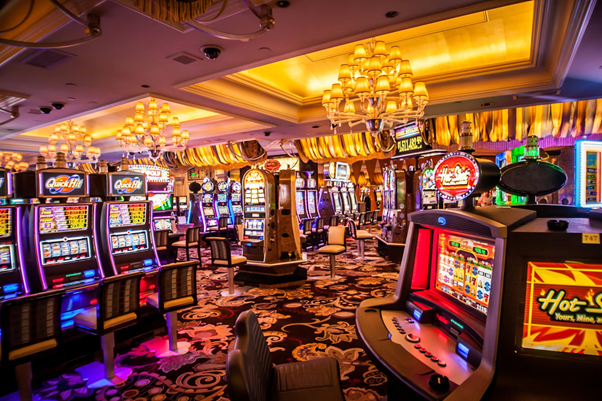
Casinos, whether physical or virtual, are meticulously designed environments, and sound is a critical component of their architecture. In land-based establishments, the placement and type of music are strategically varied. Slot machine areas often pulsate with energetic, often pop or dance music, aiming to create a buzzing, exciting atmosphere that encourages continuous play. The celebratory jingles accompanying wins, no matter how small, are a classic example of operant conditioning, creating a positive reinforcement loop that can compel players to continue pulling the lever. In contrast, card game areas might feature more subdued background music, allowing for concentration and social interaction without overwhelming the senses.
Online casinos have even more granular control over the auditory experience. They can tailor soundtracks to specific games, offer personalized music choices, or embed immersive soundscapes that transport players to different virtual worlds. The “sound effects” of digital games – the digital clink of coins, the shuffle of cards, the dramatic crescendo before a bonus round – are powerful psychological triggers. They simulate the tactile and auditory feedback of real-world gambling, enhancing realism and engagement. Understanding these auditory cues is essential for any player seeking to maintain an objective perspective on their gaming habits.
Here are some ways music can subtly influence your game:
- Tempo: Faster beats often lead to faster, more impulsive decisions.
- Melody: Uplifting tunes can foster optimism, potentially encouraging higher bets.
- Volume: Louder music can increase arousal and reduce cognitive load, making it harder to think critically.
- Repetition: Hypnotic loops can create a sense of timelessness, extending play.
- Sound Effects: “Winning” sounds, even for small gains, trigger dopamine release and reinforce behavior.
The genre of music also plays a significant role. Smooth jazz or lounge music, for instance, might be used to create a sophisticated, relaxed atmosphere, suggesting luxury and inviting players to linger. Electronic dance music, on the other hand, might inject a sense of urgency and excitement. These choices are never arbitrary; they are carefully selected to cultivate a specific emotional landscape, subtly guiding player behavior towards prolonged engagement and increased wagers. The interplay between these musical elements and individual psychological responses is complex, making the soundscape of a casino a powerful, often invisible, tool of persuasion. Being aware of these sonic strategies empowers players to make more conscious decisions, rather than being solely swayed by the environment.
Understanding these varied psychological triggers underscores the importance of a well-informed approach to online gaming. Just as music can shape perception, understanding the available advantages can shape strategy. Many platforms offer various incentives designed to enhance the player experience, and exploring these options can be a crucial step for savvy individuals. You can learn more about a diverse range of such opportunities at https://playfortune.net.br/bonus/.
Ultimately, music in gambling environments serves as more than mere accompaniment; it’s an active participant in the experience, capable of influencing our mood, energy levels, and even our willingness to take risks. For the discerning player, recognizing these subtle auditory cues is the first step towards a more mindful and controlled gaming journey, ensuring that your decisions are your own, unswayed by the rhythmic persuasion of the tables.